


 Protecting and managing habitat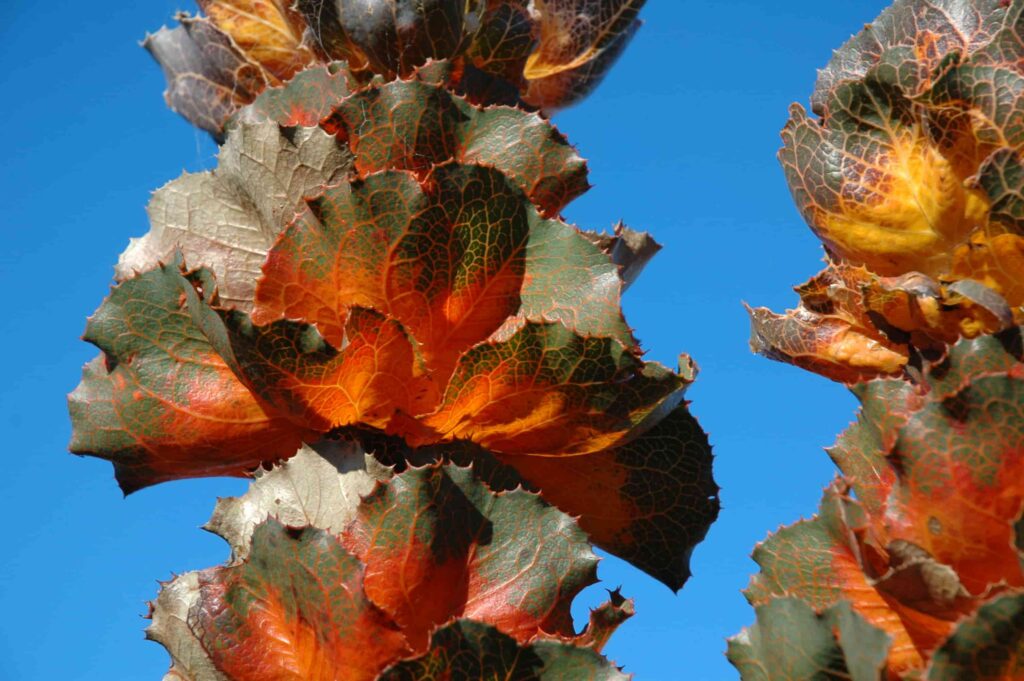
A personal note below from our CEO Keith Bradby about the massive fire that engulfed Fitzgerald River National Park and surrounding areas this week – and is still burning. More on this as details emerge.
A natural disaster of historic proportions has unfolded. Some 160,000 hectares, around half, of the Fitzgerald River National Park has burnt in the past eight days, as well as large parts of the critically important natural areas at Cocanarup and south of Ravensthorpe. Like many people I am in mourning for what has happened.
When I first met the Fitzgerald, in the late 1970s, I had the great delight of being in a park that was virtually all unburnt. It was full of life and vitality. The first ‘prickly bush’ I peered closely at showed me a massive Banksia baueri flower with three Honey Possums (Tarsipes) feeding off it. And it just got better from then on! The Royal Hakeas towered above us, often 5 metres or more high, just as they were when the botanist James Drummond first visited the area in 1847. I’ve had the extra delight of seeing the Fitzgerald, and the surrounding areas, better understood and internationally recognised for their many values.
When the park was first declared, in 1973, its botanical values were already well studied – at some 660 plant species. Through the work of many wonderful people, today that simple list is almost trebled. Much other good work has also been done to move beyond the simple listings and understand the complex ecology of this incredible area. To quote the eminent Professor Kingsley Dixon, speaking to global scientists visiting south-western Australia, “You will see many things here that contradict your knowledge of life on earth” – a bold statement that applies with even more force to the evolutionary crucible that is the Fitzgerald and Ravensthorpe areas, which Kingsley considers of equal importance to the Galapagos Islands.
I was also there, at Twertup, when a treasure trove of bones from the owl roosts at Jonacoonack were retrieved and first examined, revealing how many wildlife species had already been lost from the area since the 1800s. And I can no longer hear that elusive ground parrot call in the northern Fitzgerald, like we could in the 1980s.
So for now we can mourn what has been damaged, and likely lost. But we must then move quickly to think of what this part of Boodja really needs. Wildlife that has survived will be hungry and exposed to increased fox and cat attack over the coming months, and the burnt area is so large that the already depleted wildlife populations will surely need help to repopulate. What on earth could that entail?? And how do we reduce the risk of more mega-fires, without damaging the values we are trying to protect?
I’m not smart enough to know what we should do, over the next decade and longer, to care for what recovers. But I do know that the work of repair and recovery will benefit greatly from the voice of the Noongar people who feel for country, and carry wisdom from beyond just the last few centuries. And I do know that the ridiculously small budgets currently allocated to the ecological care of the Fitzgerald and Ravensthorpe areas will not suffice.
My deep thanks to the many hundreds of people who have worked and put themselves at risk to contain this terrible fire and reduce the damage it could cause.
Photo: Amanda Keesing.
